


In the context of ever-increasing global energy demand, natural gas is gradually asserting its position as one of the most important fuel sources today. Not only does it meet the needs for electricity generation and heat production, but it is also an essential raw material for many key industries.
So where does natural gas come from? How is it extracted to make this energy source present in every kitchen, factory, and industrial area?
Let's explore with AMN the origin, extraction process, and important role of natural gas and petroleum in modern life.
What is petroleum? What is natural gas?
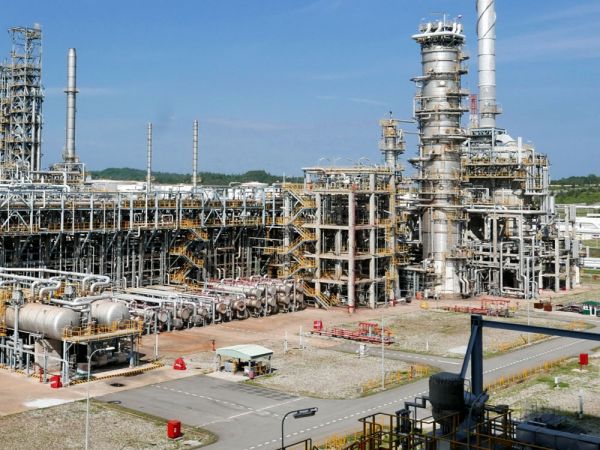
Petroleum is a natural liquid formed from the decomposition of ancient organisms under high pressure and temperature deep within the earth over millions of years. This "black gold" is extracted from deep geological layers and undergoes refining processes to create many essential energy products such as gasoline, diesel fuel, and lubricating oil. Besides being the primary fuel source for transportation, petroleum is also a crucial input in the production of plastics, pharmaceuticals, and many other industrial products.
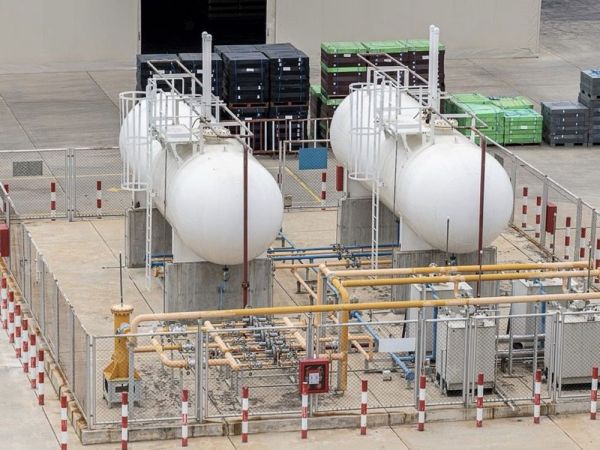
Natural gas is a mixture of hydrocarbon gases, primarily methane (CH4), formed through the same geological processes as petroleum. Extracted from underground or seabed gas fields, natural gas is considered the cleanest fossil fuel with lower carbon emissions than petroleum and coal. Natural gas is widely used as fuel in power plants, for heating and cooking in households, and is an important raw material in the production of fertilizers, plastics, and many industrial chemicals.
Both of these resources play a crucial role in the global economy; however, their exploitation and use must be considered in the context of climate change and sustainable development.

Natural petroleum
Natural Gas Exploitation Areas in Vietnam
Vietnam is considered to possess relatively abundant natural gas resources, distributed across all three regions: North, Central, and South. Each exploitation area has its own unique geological characteristics, playing an important role in ensuring national energy security and promoting economic and industrial development.
Northern Region: The Gulf of Tonkin is one of the earliest natural gas exploitation areas in Vietnam, with many strategically important gas fields such as:
Tien Hai (Thai Binh)
Ham Rong
Hong Ngoc
The gas fields in this region mainly serve the energy needs of the North, contributing to the stability of gas supply for power generation, industry, and domestic use.
Central Region: The Central region possesses many offshore gas fields with large reserves, playing a key role in Vietnam's long-term energy development strategy:
Dung Quat Gas Field (Quang Ngai): Exploited from sedimentary rock layers off the coast of the Tra Khuc River estuary, it plays a crucial role in the refining, petrochemical, and industrial complex of the Central region.
Blue Whale Gas Field (Chu Lai): Located approximately 88 km from the coast, this is one of the largest gas fields in Vietnam, with estimated reserves of very large national strategic significance.
Ken Bau Gas Field (Quang Tri): Discovered in 2019, approximately 65 km from the shore, it is considered a significant milestone for Vietnam's oil and gas industry, opening up new potential for the North Central region.
Southern Region: Southern Vietnam is the largest natural gas extraction center in the country, with a system of offshore gas fields possessing abundant reserves:
South Con Son Basin: Includes large gas fields such as Lan Tay, Lan Do, Rong Doi, Rong Tay…, which are the main source of gas supply for power plants and industrial zones in the South.
Ca Mau Gas Field: Located at the southernmost point of the country, this gas field plays a crucial role in supplying gas to the Ca Mau power and fertilizer complex, contributing to national energy and food security.
Major Natural Gas Fields in Vietnam
Vietnam is currently effectively exploiting many key natural gas fields, creating a solid foundation for energy development:
Bach Ho Gas Field (offshore Vietnam): estimated reserves of approximately 400 billion m³ of gas, making a significant contribution to the national supply.
Red Sun Gas Field (Northern Sea): possesses large reserves, contributing to meeting the growing energy demand.
Dung Quat Gas Field: reserves of approximately 90 billion m³, promoting industrial development in Central Vietnam.
Nam Con Son Gas Field: the largest natural gas field in Vietnam with reserves of hundreds of billions m³.
Ca Mau Gas Field: reserves of approximately 150 billion m³, playing a key role in the Southern energy system.
In addition, many other potential gas fields such as Rach Viet, Nui To, and Southwest Con Dao are still being explored and researched, promising to expand natural gas resources in the future.
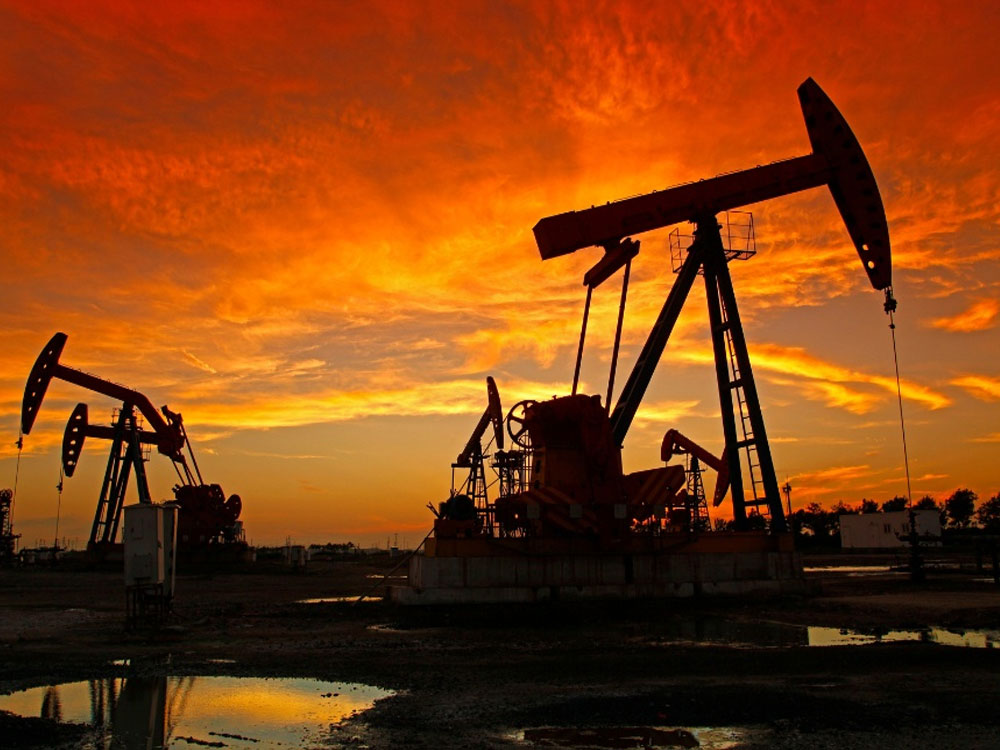
Gas extraction activities in Vietnam
The State of Oil and Natural Gas Exploitation in Vietnam
Oil Extraction Process
Oil extraction is a complex process requiring high technical expertise and significant investment. This process includes many specialized stages, from initial exploration to the transportation of the final product. Each stage requires its own technology and methods and faces various challenges.
Stage 1: Oil Field Search and Location
Seismic technology is the "classic" method used by geologists to search for natural oil reservoirs. The process involves creating large explosions using explosives underground, then observing and recording the reflected seismic waves to determine the structure of the geological layers and the density of the rock layers that could potentially form oil reservoirs.
Today, the oil and gas industry has developed many more advanced location methods, such as using magnetic field and gravity measuring equipment. These devices are capable of detecting very small changes in the Earth's magnetic field, helping geologists pinpoint the location of oil flows. During exploration, highly sensitive electronic probes are also deployed to detect the scent of hydrocarbons – the main component of petroleum.
Phase 2: Exploratory Drilling and Well Construction
Once the oil reservoir's location is identified, the engineering team will drill a deep hole into the Earth's crust to create the oil well. This process requires high precision and seamless coordination between many technical elements.
After reaching the oil layer inside the reservoir, the borehole is reinforced with an internal steel pipe system, combined with concrete and steel reinforcement at the wellhead to create a solid foundation. The final stage of drilling is the installation of control valves at the wellhead, which play a crucial role in regulating flow and maintaining appropriate pressure throughout the extraction process.

Natural Gas Extraction Process
The natural gas extraction cycle in Vietnam is a comprehensive process designed to optimize extraction, ensuring safety and economic efficiency. This process is divided into seven main stages, each playing an essential role in bringing gas resources from the ground to the end consumer.
Stage 1: Location and Survey: This process begins with identifying potential areas through geological, geomorphological, and seismic surveys. Experts use advanced technology to analyze the geological structure, assess the viability of gas pockets, and determine the optimal location for further exploration activities.
Stage 2: Exploratory Drilling: After identifying the potential area, exploratory wells are drilled to gather detailed information about the depth, size, and quality of the gas field. This phase provides crucial data on the characteristics of the gas-bearing rock layer, its chemical composition, and pressure, helping geologists accurately assess the potential for commercial exploitation.
Stage 3: Infrastructure Design and Construction: Once the gas field potential is confirmed, engineers proceed with the design and construction of the necessary infrastructure. This includes the installation of gas pipelines, compression stations, monitoring equipment, storage facilities, and other auxiliary structures, creating a complete network for the extraction process.
Stage 4: Production Drilling: Production wells are drilled deep into the gas-bearing layer using specialized technology and equipment. Each well is designed individually based on the geological characteristics of the area and then connected to the pipeline system, forming a network for transporting gas from underground to the surface.
Stage 5: Extraction and Production: This is the core phase of the cycle, where natural gas is brought to the surface through extraction techniques such as natural pressure, gas injection, or pressure boosting methods. This process is tightly controlled to ensure sustainable extraction rates and maximize gas recovery.
Stage 6: Processing and Distribution: The extracted natural gas is sent to processing plants to remove impurities, eliminate unwanted components, and meet commercial quality standards. After processing, the gas is compressed to the appropriate pressure and distributed to power plants, industrial areas, and consumers through a pipeline system.
Stage 7: Monitoring and Maintenance: The entire extraction cycle is continuously monitored by automated systems and a team of experts. Parameters such as pressure, flow rate, and gas quality are monitored regularly, while routine maintenance is performed to ensure the system operates safely, efficiently, and in compliance with environmental standards.

Natural Gas Extraction Projects
Natural gas is not only an essential energy source for modern life but also plays a crucial role in the transition to clean energy. From deep underground gas fields to pipeline systems and processing plants, the journey of natural gas is a testament to the combination of advanced technology and sustainable extraction efforts.